Your lymphatic system is the body's quiet housekeeper — moving fluid, clearing waste, and keeping your immune system ready. When it slows down, you feel it: puffiness, fatigue, heaviness, sluggishness. Spring Senses is designed to wake it back up.
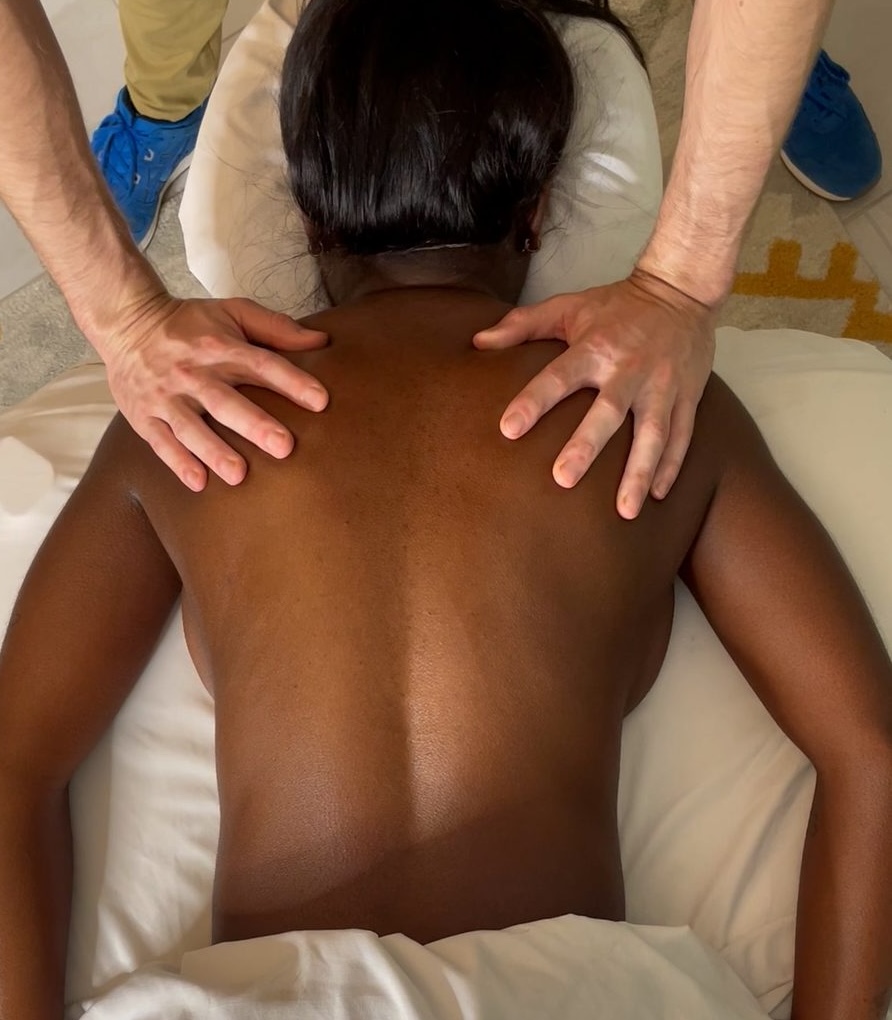
Spring Senses is available in three formats — from a focused introductory session to a full, meditative drainage experience. All sessions use gentle, rhythmic technique tailored to your body's current state.
Lymphatic drainage is fundamentally different from other massage modalities. It asks for subtlety, not force — and that intention is what makes it work.
The lymphatic system sits just beneath the skin. Deep pressure bypasses it entirely. Our technique uses gentle, rhythmic strokes — only about 30–40 mmHg of pressure — to engage the superficial lymph vessels without compressing them. Less really is more here.
We always begin at the lymph node clusters — neck, axilla (underarm), abdomen, and groin — before working the limbs. Clearing the "drains" before moving fluid prevents congestion and allows each stroke to actually redirect fluid rather than just push it around.
The rhythm and lightness of lymphatic drainage naturally activates the rest-and-digest nervous system. Most clients are deeply relaxed — often asleep — within minutes. This is intentional: a calm nervous system enhances lymph flow and deepens the detoxification response.
The lymphatic system is your body's primary waste-removal network. By assisting its flow, we help clear metabolic byproducts, excess interstitial fluid, and immune debris — the kind of internal congestion that creates fatigue and systemic sluggishness.
Lymph moves lymphocytes — the cells that fight infection — throughout the body. When lymphatic flow improves, immune surveillance improves with it. Clients often notice they get sick less frequently with consistent sessions.
Swelling, puffiness, and that heavy-limb feeling are largely caused by excess fluid pooling in tissue. Lymphatic drainage creates movement through channels that gravity and normal activity can't fully address on their own.
Every stroke follows the body's natural lymphatic rhythm — typically 6–12 cycles per minute. This isn't aesthetic; it directly influences the opening and closing of lymph capillary valves. Correct rhythm is the difference between effective drainage and a pleasant but ineffective rub.
The gentle, repetitive nature of the work produces a measurable parasympathetic shift within minutes. Heart rate slows, breath deepens, cortisol drops. This isn't a side effect — it's part of the therapeutic result.
Surgery disrupts lymphatic pathways and creates a surge of fluid in surrounding tissue. Manual lymphatic drainage is one of the most evidence-supported post-operative interventions for reducing swelling, bruising, and recovery time — when performed by a trained practitioner and cleared by your provider.
"The lymphatic system moves no faster than we allow it to. The work is about creating conditions — not forcing a result."— Awaken Zen Spa · Spring Senses
Each Spring Senses session follows a deliberate sequence — always beginning at the core lymph node clusters before moving outward. Here's how a typical session unfolds.
Lymphatic drainage relies on a specific vocabulary of strokes — each designed to engage a different aspect of the lymphatic network. Which techniques are used, and where, depends entirely on your session goals and tissue response.
Gentle circular skin stretches applied over lymph node clusters. The skin is moved — not the underlying tissue — in the direction of lymphatic flow to open the capillary inlets at specific collection points.
An elongated oval stroke applied with the palm, alternating light pressure and release to simulate the natural pumping action of lymph vessel contractions and move fluid along collecting pathways.
A fluid, scooping motion used on the extremities that follows the anatomy of lymphatic collectors — redirecting fluid from the limbs toward proximal node groups with each rhythmic pass.
A spiraling, skin-stretching movement used on broad surfaces like the back and abdomen. Particularly effective for engaging the deep lymphatic network where superficial vessels are less accessible.
Long, undulating strokes applied with both hands in sequence — creating a continuous wave of gentle pressure that moves fluid progressively through superficial collectors toward regional nodes.
A precise, tissue-specific approach used in areas of localized congestion or post-surgical fibrosis. Encourages reabsorption of protein-rich fluid from the interstitium back into the lymphatic capillaries.
By redirecting pooled interstitial fluid back into lymphatic vessels, congestion in the face, hands, and legs clears — often visibly — within hours of a session.
Lymph carries the immune cells that patrol your body for threats. Better lymphatic circulation means faster immune response and more consistent protection — particularly valuable during high-stress periods or seasonal transitions.
The lymphatic system processes and eliminates metabolic waste, cellular debris, and environmental toxins. When flow is optimized, this clearance happens more efficiently — reducing the systemic burden that contributes to fatigue and brain fog.
Improved lymphatic flow supports healthy skin cell turnover, reduces puffiness around the eyes and jawline, and can improve conditions aggravated by poor circulation — including dullness, congestion, and uneven tone.
The gentle, repetitive rhythm of lymphatic drainage induces a reliable parasympathetic response. Cortisol levels drop, heart rate slows, and the nervous system shifts out of fight-or-flight — often within the first 10 minutes.
Manual lymphatic drainage is one of the most well-supported interventions for reducing post-operative swelling, bruising, and fibrosis. With physician approval, it can significantly shorten recovery timelines for procedures involving tissue disruption.
When the lymphatic system is working well, the whole body feels more alive. Clients consistently report a noticeable lift in energy, mental clarity, and a sense of overall lightness — not just on the day of their session, but in the days that follow.
Spring Senses serves a wide range of clients — from those recovering from surgery to those simply wanting to feel less puffy and more themselves. Here's who gets the most from this work.
Lymphatic drainage is cumulative. One session delivers results — consistent sessions transform how the body manages fluid, immunity, and recovery over time.
For clients in active post-surgical recovery, frequent sessions are where drainage has the greatest measurable impact. Timing, frequency, and duration should always be coordinated with your surgical provider. We're happy to work alongside your recovery plan.
1–2× per week · Provider clearance requiredFor clients seeking immune support, general detoxification, reduced puffiness, or deep relaxation, a monthly session is the rhythm that keeps the system running well. Pair it with your facial or alternate it as part of a membership — it fits seamlessly into a wellness routine.
Once monthly · Pairs well with AZS membershipA quiet, private suite in Mesa designed for one thing: your complete, undivided session. No lobby bustle, no background noise. Just you and the work.
Real words from people who've been on the table. We'll let them speak.
"Your client quote goes here — ideally something specific about how they felt leaving the session, or what changed in the days after."
Paste real client reviews here — Google Reviews, direct quotes, or anything clients have shared with you.
Whether you're recovering, maintaining, or simply curious — Spring Senses meets you where you are. Book online now, or reach out if you'd like to talk through which session is right for you.