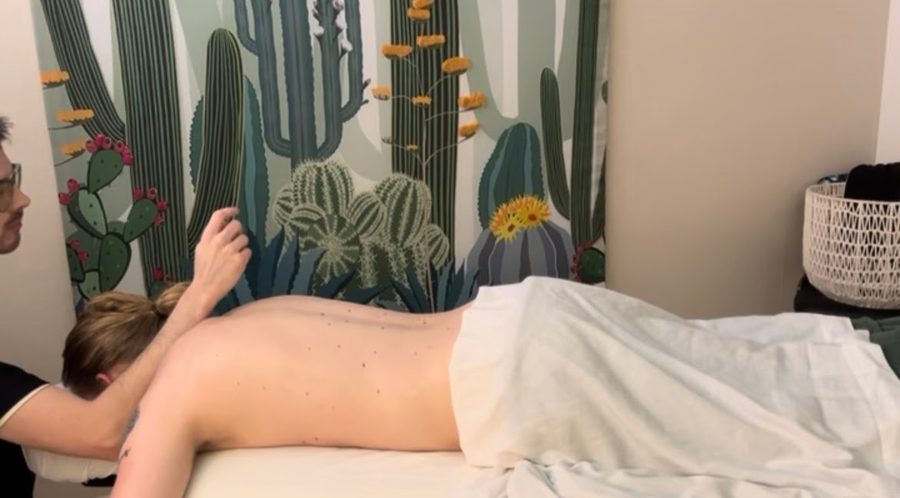
The phrase “deep tissue” has been doing damage in the massage industry for years. Not because the work isn’t valuable — it is, profoundly so — but because the name implies something about force rather than something about intention. Most people walk into a deep tissue session believing that the measure of success is how much they can endure. That if it doesn’t hurt, it didn’t work. That deep equals hard.
None of this is quite right.
Deep tissue massage is about specificity. It’s about reaching the deeper layers of muscle and fascia — the structures that sit beneath the more superficial tissue — with techniques calibrated to change those layers. The key word is calibrated. Too much force applied too quickly actually causes the nervous system to guard, which keeps the tissue from releasing at all. You can press as hard as you want against a muscle that’s bracing, and you will not get in.
What the work actually requires
This is why deep tissue massage, done well, involves slow and sustained strokes more than aggressive ones. The pace matters. The angle matters. The ability to read what the tissue is doing beneath your hands — whether it’s softening, tensing, responding — matters enormously.
The therapist is having a conversation with the body, not delivering a monologue.
A good deep tissue session will reach depths that feel significant, even profound — but the route there is usually through patience and graduated pressure rather than brute force. Some areas will require more time before they yield. Some will yield quickly. Some, for reasons specific to that person on that day, won’t yield at all. And chasing a release that the body isn’t ready for is exactly the kind of ego that makes sessions go sideways.
The tissue releases when it feels safe to release — not when you push hard enough.
What you should actually feel
People who’ve had truly skilled deep tissue work describe it as a “good hurt” — a sensation that has productive, purposeful feeling underneath the discomfort. Like a stretch that’s intense but not scary. Like pressure that communicates rather than overwhelms.
Sharp pain, bracing, holding your breath — these are signs the work has gone past the body’s available range. Feedback in a session is not failure; it’s navigation. A therapist who adjusts based on what you tell them isn’t backing down — they’re reading the room and getting more effective.
In the 24 hours after a well-done deep tissue session, you may feel some soreness, similar to a productive workout. This is normal. It’s the tissue integrating what happened. Drinking water, moving gently, and allowing the process to unfold matters as much as what happened on the table.
If it’s never quite worked for you
What you shouldn’t feel is traumatized. The work should feel significant, not punishing. If you’ve left deep tissue sessions in the past feeling battered rather than better, it’s worth asking whether what you received was skilled deep tissue work — or just hard pressure.
These are not the same thing. Hard pressure is easy to apply. Skilled deep tissue requires knowing how to introduce depth progressively, how to work with the nervous system instead of against it, how to distinguish a release from a bracing response, and when to back off entirely. The goal is change in the tissue — not a test of your tolerance.
If you carry your stress in your body, if you’ve had people tell you your muscles feel like rocks, if you’ve tried massage before and left wondering if it did anything — the conversation is worth having. The work might be exactly right for you. You may just not have had the right version of it yet.